What are your responsibilities as a tenant?
The plumbing system in your home is made up of two different systems. One that brings clean, fresh water in, and another (the drainage system) that takes the waste water back out again.
The water coming into your home is already pressurised. This means it can travel through all the pipes to wherever it’s needed.
Know what to do in an emergency, such as a leak?
Leaks can be caused by loose connections, broken seals or clogged pipes. Regularly check plumbing fixtures, and let us know as soon as you notice any problems.
If there is a plumbing leak, either isolate the shut-off valve at the fixture or use the stopcock to turn off the water.
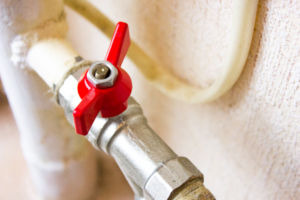
Your stopcock – the main ‘tap’ to turn the water to your home on and off – will be fitted near where water enters your home, usually under your kitchen sink. If your property has a water meter, it’ll also be near here for precise recordings of your water use.
Make sure you know where the stopcock is, so you can turn off the water as quickly as possible if you have a leak.
Modern homes also have stop valves fitted to appliances like sinks, toilets, baths or showers too, these allow you to isolate just that water source rather than turning off the entire system. Make sure you know where they are, if your property has them.
Report a leak by contacting the repair team.
For customers living in a Pobl home: 0330 175 9726
For customers living in a Linc home: 0800 072 0966
You may want to turn your water off if you’re going away for a long period of time.
Stopcock care
Know where your stopcock is, and how to use it.
Apply a little spray lubricant, such as WD40, a few times a year. This can help to ensure it’s in full working order if you need to turn your water off for a plumbing work, or in an emergency.
Blocked drains
If your property has a blocked drain inside or outside the house, it’s your responsibility to try to unblock it.
A common cause of blockages or slow draining water is long hair and skin cells combine with soap and shampoo.
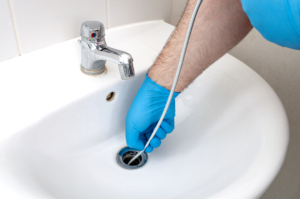
- To fix this problem, use a plumbing snake – a flexible rod with a hook on the end that can be fed through the plughole to the blockage. Once the hook has hold of the cause of the blockage, it can be pulled out to remove it.
- Chemical cleaning products are also available, but they can be damaging to the environment. Vinegar or bicarbonate of soda may help instead.
If the problem is not on your property, but is within the lateral drains or sewer, then your local water company is responsible for fixing this.

Useful plumbing tools
If possible, have a few useful tools to help you with basic plumbing jobs.
- Plungers: For unclogging plugholes and toilets.
- Drain snake: For unblocking drains and clearing hair.
- Spanners: To help maintain kitchen and bathroom fixtures. Be careful not to over-tighten plumbing fixtures or fittings, as this can cause them to crack or leak.
- Screwdrivers: Most isolating valves need a large flat-head screwdriver to turn them.
- Heavy duty rubber gloves: To protect yourself from chemicals or sharp edges.

Be aware of pipes and wiring when drilling holes
Check for existing pipes and wiring.
If you need to drill a hole, for example to hang a picture or install a shelf, make sure you check for existing plumbing behind the wall, floor or ceilings. If you puncture a supply or drainage pipe then you risk serious leaks. Always use a pipe and live wire detector before you start.
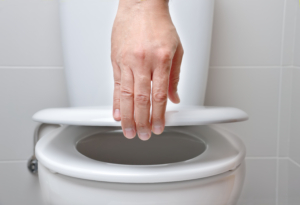
New toilet seats
If you wish to have a new toilet seat in your bathroom, there are an affordable range of options available from external businesses that you can fit yourself.
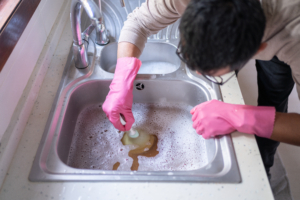
Blocked toilets, sinks, showers or baths
If you have a blocked toilet or sink, it’s your responsibility to try to unblock it.
Most blocked drains or overflowing toilets and basins can be dealt with by a plunger. Plungers are available from DIY shops, and there are two main types, the cup plunger and the flange plunger.
The cup plunger is sometimes known just as a sink plunger. It has a long wooden handle with a large rubber cup attached to the end of it, it’s ideal for any drains on a flat surface, such as the kitchen sink, bath or shower tray, because it can create a good seal.
The flange plunger, also known as a toilet plunger, has an extra rubber ring around the cup, called the flange, which helps to keep a good seal when you’re plunging.
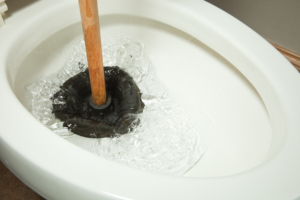
How to plunge a toilet
- If your toilet is too full, you’ll need to wait 5 or 10 minutes for it to drain. Or you may need to bail some water out of it.
- When the pan is halfway full, turn off the water supply to stop it from refilling. This is usually found behind the pan. If the toilet pan is empty of water, then again fill up to the halfway point to help you create a better seal when plunging.
- Do not use drain-clearing chemicals while plunging, as splashes from these substances can cause burns to the skin or eyes.
- Place the cup directly over the drain and press down. Keep the plunger straight to direct straight down the toilet waste. Press down gently to remove air from the plunger and create a seal.
- Thrust the plunger without breaking the seal. After approximately 20 or 30 seconds of plunging, the toilet should drain correctly again.
- To prevent future blockages, only flush toilet paper down the toilet. Never flush baby wipes, sanitary products, or anything else, as it can cause a blockage either on your own property or elsewhere in the sewer system.

Frozen pipes in winter
- Cold weather can cause pipes to freeze. Turn off and drain outside taps before the winter begins to prevent a burst pipe.
- If your boiler condensate pipe freezes at ground level, turn off your boiler, then pour hot – but not boiling – water over the pipe until it thaws. Press and hold the reset button for 10 seconds and wait for the boiler to restart.
If you have any problems, call on 0800 072 0966.

If your washing machine or dryer is leaking
Fix it quickly — even small leaks can create excess moisture that encourages damp and mould to grow. Check hoses, seals, and filters regularly, and wipe up any standing water immediately. If you can’t repair it right away, avoid running the appliance until it’s fixed, and keep the laundry area well-ventilated.