
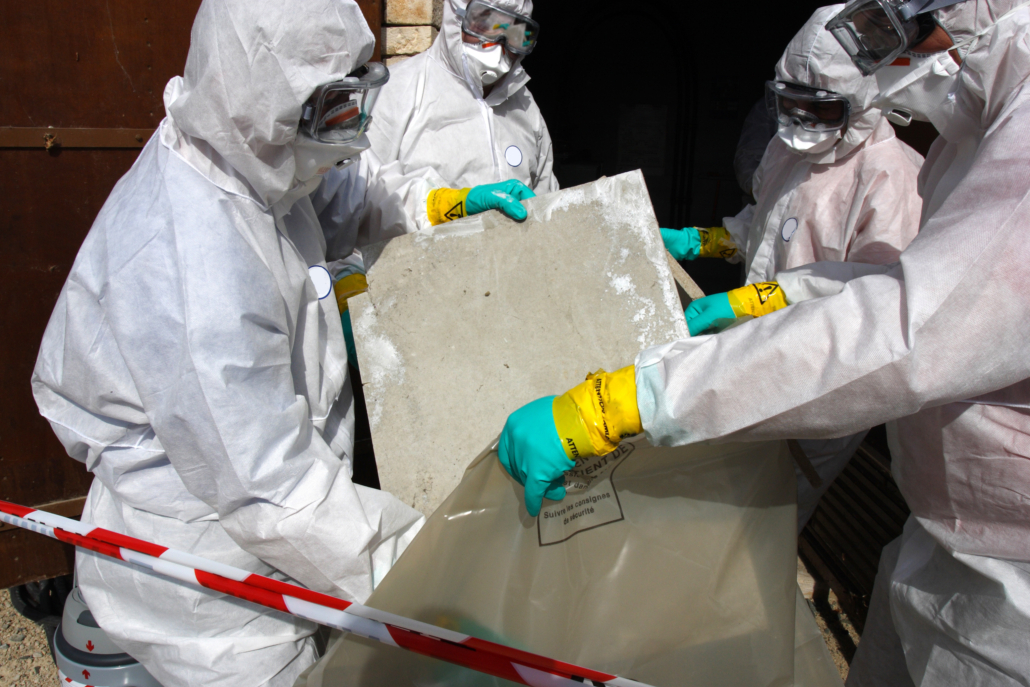
What are your responsibilities as a tenant?
Asbestos was once widely used in building materials, but today we know it can be harmful if damaged or disturbed. This website provides clear, practical information to help you understand what asbestos is, where it might be found in your home, and why it’s important not to touch or remove it yourself. You’ll find guidance on how to stay safe, what steps to take if you think asbestos may be present, and who to contact for professional help. Our aim is to give you the knowledge and confidence to protect yourself, your family, and your home.
Where might I find asbestos in my home?
Up until 1999, asbestos was used in a wide range of building materials ranging from heat resistant products, products requiring high tensile strength and products requiring resistance to electrical currents, acids and alkalis. It was also used for sound absorption products and insulation purposes.
In 1999, all asbestos was banned from use in buildings, so if your property was built after this date it will not contain asbestos.
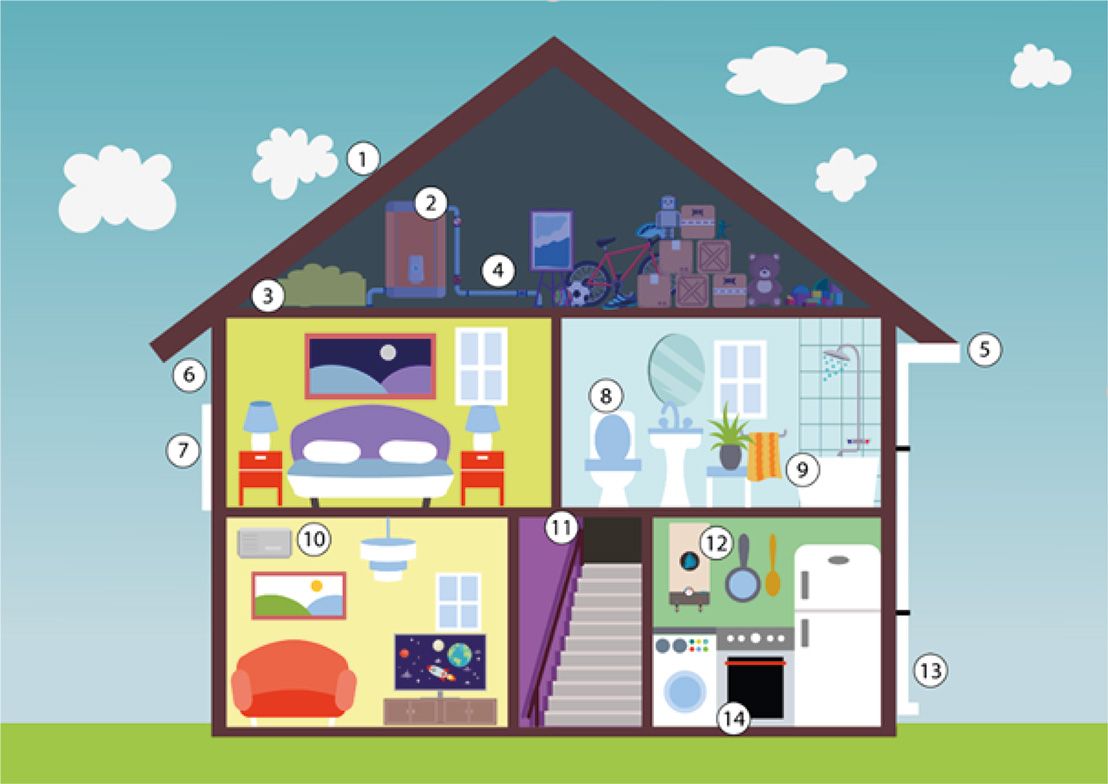
- Asbestos cement product
- Water Tank
- House insulation
- Pipe lagging
- Guttering
- Soffit boards (roof overhang)
- Wall panelling
- Toilet cistern
- Bath panel
- Fuse box
- Textured Coatings (e.g. Artex)
- Boiler house
- Rainwater pipes
- Vinyl floor tiles
It is not always easy to tell if a product contains asbestos, as modern asbestos free materials often look similar or identical.
It is usually older products that contain asbestos and this is identified through professional surveys and confirmed through testing the material.
What is asbestos?
Asbestos is a group of fibrous minerals found naturally in many parts of the world. Asbestos is a strong, flexible and stable material and because of these properties it was used widely to enhance the durability of building materials during the 19th century, most extensively in the 60’s and 70’s.
Why is asbestos a problem?
Asbestos is a naturally occurring material which is why we can be exposed to very low levels of asbestos materials in the air we breathe every day. Asbestos materials that are in good condition are completely safe, it is only when asbestos containing materials become damaged, this can release asbestos fibres into the air.
When these fibres are airborne, they are not visible to the naked eye and can be inhaled into the lungs. High levels of inhalation over Long periods of time can then cause ill health in the future.
It is unlikely that any asbestos containing materials in your home are harmful, but if you have damage to your home that you may suspect contains asbestos, contact our customer services through our website or by telephone where we can arrange an inspection or repair.
What are we doing about asbestos in your home?
We are taking an active approach to identify if there are asbestos containing materials in your home. We do this by carrying out surveys to our properties and holding the information on our asbestos register.
Any asbestos containing materials that are in good condition will remain in place as this is proven to be safer than removing the product as this creates more risk of exposure. Materials that we feel are unsafe or will cause any obstructions to our home improvement program will either be removed or encapsulated.
Decorating or making alterations to my home?
Decorative coatings like artex can contain small amounts of asbestos, if you are decorating these materials then DO NOT scrape, sand or drill the material before decorating. If you do need any advice, please get in touch.
To carry out any structural alterations to your home you will need to get permission from us. Your area surveyor will arrange an appointment with you to discuss this further
What to do if material containing asbestos is damaged?
Don’t Panic!
Contact Customer Services and provide details of the problem.
Do Not!
Attempt to repair, sweep up or use a domestic vacuum cleaner on any debris as this could lift asbestos fibres into the air.
Remember
Asbestos containing materials that are undamaged and in good condition are not dangerous and completely safe.