• Wondering what the Welsh Housing Quality Standard (WHQS) is all about?

    Our easy-to-follow guide explains how WHQS sets the standard for safe, comfortable, and energy-efficient homes—helping to improve housing for residents across Wales.

What Makes a Home Meet the WHQS Standard?

In October 2023, the Welsh Government introduced an updated set of standards for social housing in Wales, known as the Welsh Housing Quality Standard (WHQS 2023).

Building on the previous WHQS, these new standards further enhance the quality of affordable social rented housing, ensuring it meets the needs of both current and future residents.

We are committed to ensuring our residents have the opportunity to live in a home that is:

✅ Well-maintained & in good condition.
✅ Safe & secure.

✅ Affordable to heat & environmentally friendly.
✅ Modern & practical, with an up-to-date kitchen.
✅ Comfortable & suitable for your needs.

✅ Outdoor-friendly, ideally with a garden or pleasant outdoor space.

Our goal is to provide homes that are safe, comfortable, and energy-efficient, creating a better living environment for everyone.
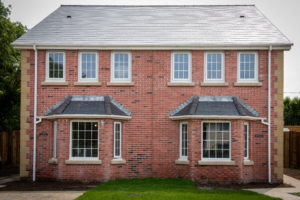
Homes must be in a good condition 

  • Walls must be in good condition and be structurally safe 
  • Free from damp 


Your home must be safe and secure 

This includes;

  • Doors & windows should be safe and secure 
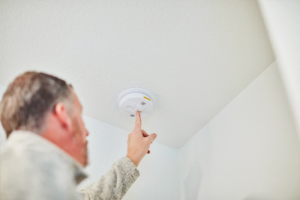
  • Fire safety -homes must have heat & smoke detectors – you must also have a safe and easy way to escape if there is a fire. 
  • Gas & heating safety – homes must have a carbon monoxide detector fitted in the same room as the appliance. 
  • Homes safety checks –if homes have gas, oil or solid fuel heating, we must do a safety check once a year and provide a copy of the safety certificate to you. 
  • Electrical safety – your home should have an electrical safety check every 5 years and we will give you a copy of the report. 

Your home must have an up to date bathroom 

  • Bathroom and toilets should be less than 26 years old, unless they are in good condition. 

Your home must have an up to date kitchen  

  • Kitchens should be less than 16 years old, unless they are in good condition. 
  • New kitchens should have space for a cooker, fridge and washing machine 
  • Kitchen floors must be non-slip 
Your home must have facilities for washing, drying and airing clothes
This includes
  • Space, power and plumbing for a washing machine (this may be within a communal laundry facility)
  • An external drying area (within your garden or communal area)
  • A heated cupboard with shelving to air clothes
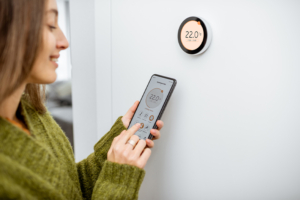
  • Is affordable to heat and have minimal environmental impact 
  • We must make sure that heating your home does not cost too much money and that it isn’t bad for the environment. 
  • Your home must let air flow through it so it can be well ventilated in a controlled way, especially in kitchens and bathrooms. 
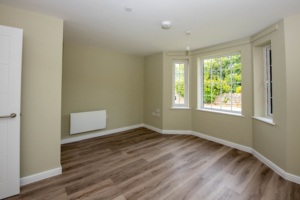
 

Your home must be comfortable and suitable for you to live there 

  • Your home should have enough space to live in comfortably  
  • Flooring- when new tenants move in, all rooms must have floor covering which is suitable, appropriate and in good condition  
  • Noise – the design and construction of your home should protect you from ordinary reasonable domestic noise from your neighbour and surroundings.
  • We need to make sure a home suits your needs, including disabled and older tenants. 
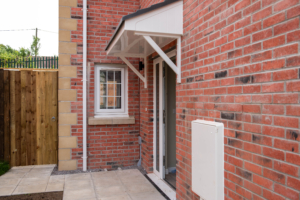
Your home must have a garden if possible 

  • It isn’t always possible to have a garden, as it depends on where you live. 
  • But if you do, you should be able to get to your garden safely and easily 
  • There should be a path for you to access your home. 
  • There should be a path to a clothesline for you 
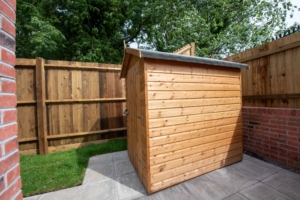
  • We will aim to provide lockable storage space within your garden so you can store bikes, garden equipment furniture etc.  If your home doesn’t have a garden, we will look to provide communal storage for these types of belongings.
There should be adequate practical, maintainable and safe community space

  • We need to try and create nice outdoor spaces for you to use
  • Communal spaces should be wildlife friendl

What are the main things included in the standard?

Target Energy Pathways (TEP) – What Does It Mean for You?

We are working to make homes more energy-efficient and environmentally friendly.

Target Energy Pathways (TEP) is the plan that outlines the energy improvements we’ll be making to your home.

As part of the Welsh Housing Quality Standard (WHQS 2023), landlords must create a tailored plan for each home, showing how they will improve energy efficiency and reduce carbon emissions in the future.

✅ What to Expect:

  • Your home’s energy improvement plan will be created by March 2027
  • The work will be completed by 2034

These upgrades will help lower energy costs and create warmer, more sustainable homes for the future.

Smart meter installation in your home?

The new WHQS standard requires landlords to arrange for smart meters to be installed at change of tenancy and prior to a new resident moving in.  Smart meters have a range of benefits for residents, and you can talk to your energy supplier about having your meters changed to smart meters at any time.  For more information on smart meters visit the energy saving trust.  

If you would like to read more about Smart Metres and their benefits. Please visit the link below.

https://energysavingtrust.org.uk/advice/guide-to-smart-meters/?_gl=1*1lqqb61*_up*MQ..*_ga*MTUxODk0NzAxOC4xNzM4MjQxMjE0*_ga_GPYNXFLD7G*MTczODI0MTIxMi4xLjAuMTczODI0MTIxMi4wLjAuMA..

Energy-Efficient & Low-Carbon Upgrades for Your Home

To help make your home more energy-efficient and reduce carbon emissions, we may be installing new, eco-friendly technologies.

Check out some of our frequently asked questions below to learn more about these improvements and how they could benefit you!

What are Photovoltaic (PV) Panels and how do they work? 

PV panels are installed on the roof of your home.  They are designed to capture the energy from the sun and convert the sunlight into electricity.  The suns energy is absorbed by the PV panels which creates electrical charges that move as a current.  This current travels through cables to an inverter that converts the absorbed energy into useful electricity that is connected into your consumer unit (fuse board) for you to use to power your electrical appliances.  PV panels are fitted on roofs orientated to get the maximum benefit from the sun. 

What are the benefits of Photovoltaic (PV) Panels? 

The electricity that the PV panels produce is generated by the sun and is used within your home.  Therefore, when the panels are generating electricity, you are using that electricity rather than purchasing the electricity from your electricity supplier. This will help you save money on your electricity bills.  PV panels will also help you to reduce your carbon footprint as some of your electricity usage will be made from the sun rather than imported from the electricity grid. 

What is battery storage and how does it help? 

Battery storage can be installed in your home to work alongside PV panels to help you make the most of the electricity that is generated.  If your PV panels are generating electricity that is not being used by you at the time it can be stored in the battery and used later.  Battery storage will also allow you to discuss different tariff options with your electricity provider where they can sell you electricity at cheaper rates (when they have less demand for power) so that you can store it and use it later when you need it. 

What are solar thermal panels? 

Solar thermal panels can be installed on your roof that convert the suns energy into heat.  The panels absorb the suns energy which heats up the liquid that is within the panels, the liquid then flows via pipes and then through a coil within your hot water cylinder where the heat is transferred to your stored hot water that you use your washing and bathing.  The solar thermal system reduces your reliance on your boiler or electric immersion to heat your hot water and therefore reduces your running costs. 


What is an Air Source Heat Pump (ASHP) and how does it work?
An air source heat pump may be installed in your home instead of a gas boiler.  It has an external part that looks similar to an air conditioning unit and an internal part which would usually go in a cupboard within your home.  The ASHP is powered by electricity and works by taking the heat from the outside air and transfers it to a fluid refrigerant that then passes through a compressor which raises the temperature of the refrigerant which then transfers into your central heating system.  Generally, ASHP’s run at lower temperatures than traditional gas boilers and therefore you may need to have larger radiators installed to get the right amount of heat in each room.   

An ASHP is very efficient and can generate around 3 times more energy than is put in.  However, electricity is more expensive to buy compared to gas and therefore we would need to ensure your home’s walls, doors, windows and roof are as energy efficient as possible before we change over from a gas boiler. 

As the ASHP uses electricity rather than fossil fuels they reduce carbon emissions and will therefore lower your carbon footprint. 


Will these low carbon home improvements reduce my energy bills? 

Carrying out energy improvement measures to the fabric of your home (walls, roof, windows and doors) will reduce the amount of energy your home needs to keep it warm.  New technologies such as PV and batteries will allow your home to generate and store electricity rather than purchase it from the grid from your energy provider.  Therefore, in theory these improvements should see a reduction in the energy you purchase reducing your energy bills.  However, even with the improvement work you will always need to purchase some energy from your supplier and those energy costs could rise.  


Energy Suppliers 

There may be opportunities for you to save money by switching your energy supplier, tariffs and payment methods.  Further advice can be obtained from the energy saving trust 

https://energysavingtrust.org.uk/advice/switching-your-energy-supplier/?cats%5B%5D=2116

Welsh Housing Quality Standard (WHQS) – Important Update for Tenants

Welsh Housing Quality Standard (WHQS) – Important Update for Tenants

We are committed to ensuring that all our homes meet the Welsh Housing Quality Standard (WHQS), improving living conditions and providing high-quality, comfortable homes for our tenants.

To support this work, we are partnering with a trusted contractor to begin to gather necessary information we need to obtain. We are working with Cardiff Metropolitan University to gather important information about our homes. As part of this process, Cardiff Met will be reaching out to tenants with a short survey to help us assess what improvements, if any, are needed for your home.

Your feedback is crucial in helping us understand more about your home, so we encourage you to take part when contacted.

Thank you for your cooperation as we work towards delivering homes that meet the highest standards.

If you have any questions, please don’t hesitate to get in touch.

Responding to Safety Hazards in Your Home

We are committed to keeping your home safe. Under Welsh Housing Quality Standards 2023 it includes the Housing Health and Safety Rating System (HHSRS) which means as a Landlord, we must respond quickly to any serious hazards in your property that could affect your health or safety.

A hazard means anything in your home that could cause significant harm – for example, a dangerous electrical fault, structural damage, or a serious damp issue.

What You Can Expect From Us

We prioritise serious risks

If a hazard could cause significant harm or immediate danger, we will record it and take action as quickly as possible.

We assess the issue promptly

Our team will assess the situation and decide the right steps to keep you safe.

We may need access to your home

If we believe a serious hazard exists our team will arrange the most convenient time with you to access your home, if the appointment is not completed  we will continue trying to visit, but repairs may be delayed until access is available.

If repairs take longer than expected

Sometimes repairs can’t be completed within normal timescales. When this happens, we will provide you with a written plan explaining:

  • what work is needed,
  • when we aim to complete it, and
  • any reasons for delay (for example, access issues).

We will keep you updated if anything changes

How We Assess Risk

Every home and situation is different. Our staff will use their professional judgement when deciding whether a hazard is serious and how quickly we need to respond.

You do not have to share personal information, but if you choose to, it can help us understand your needs better—particularly if you or someone in your household may be more vulnerable.

We Are Here to Help

Your safety is our priority. If you think there is a serious hazard in your home, please report it to us as soon as possible so we can investigate and take the right action

Feel free to reach out to us

For customers living in a Pobl home:

Tel: 0330 175 9726
Email: info@codigroup.co.uk

For customers living in a Linc home:

Tel: 0800 072 0966
Email: contact.centre@codigroup.co.uk

If you have any concerns about your home based on the advice topics we support on our website. We’re here to help!

Got questions? We’ve got answers!

Download Our FAQ Brochure

Download our brochure to find out more about energy-efficient upgrades, low-carbon improvements, and what they mean for your home.

Financial Support

Keeping a home warm is an important way to prevent condensation and mould. But for many people, high energy costs are making it harder to heat their home.

If you are worried about your financial situation, we’re here to help. Our website has lots of useful information on the financial support that may be available to you. And our experienced team of Neighbourhood Income Officers can provide advice and support for your circumstances.

We want you to talk to us about the pressures on your finances so we can give you extra support and help prevent fuel poverty.

Download now to learn what the Welsh Housing Quality Standard (WHQS 2023) means for you and your home

Clear, simple, and easy to understand.

Download Our Policy

Read more on our commitment to WHQS

Download Our Privacy Policy

Read more on our commitment to WHQS

Download Our Personal Data Policy

Read more on our commitment to WHQS

Get In Touch With Us

Please contact us if you have any questions about your home and WHQS queries

Email : healthyhomes@codigroup.co.uk

Contact Linc

0800 072 0966
info@linc-cymru.co.uk

387 Newport Rd
Cardiff
CF24 1GG

Contact Pobl

0330 175 9726
info@poblgroup.co.uk

Exchange House
Newport
NP20 1AA