Easy ways to keep your home comfy and mould-free. Your guide to a dry, happy home.
What are the different causes of damp and mould?
Moisture in our homes can lead to condensation, damp and mould, especially in the colder months.
There are three main causes of condensation in your home:
Too much moisture in the air indoors.
Not enough ventilation for air to move around.
Your home or room being too cold.
Removing Mould
When removing mould, it is important to understand that safety comes first, you don’t want to breathe it in or spread the mould spores around your home.
Before you begin, put on a dust mask. You want to make sure you do not breathe in the spores that the mould can release into the air. The mask may also help protect you from inhaling cleaning chemicals.
Cover the floor under the area you are cleaning to catch any of the falling mould which can be disposed of later.
Make sure there is adequate ventilation in the room. Open a window or an external door so the mould spores can escape.
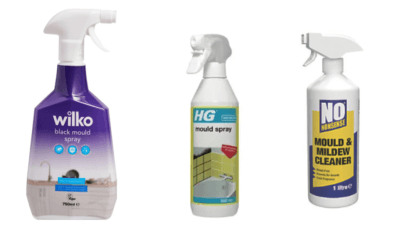
It is best to use a proprietary mould killer from any good supermarket / DIY store
Apply the cleaner and scrub the mould off the affected area using a non-abrasive brush. Use a clean rag to then wipe away the mould you loosened. It can be hard to get right into the cracks, but try a stiff brush for the hard to reach areas.
Allow the area to dry completely before you close the window. Wipe off any remaining residue.
Types of Mould
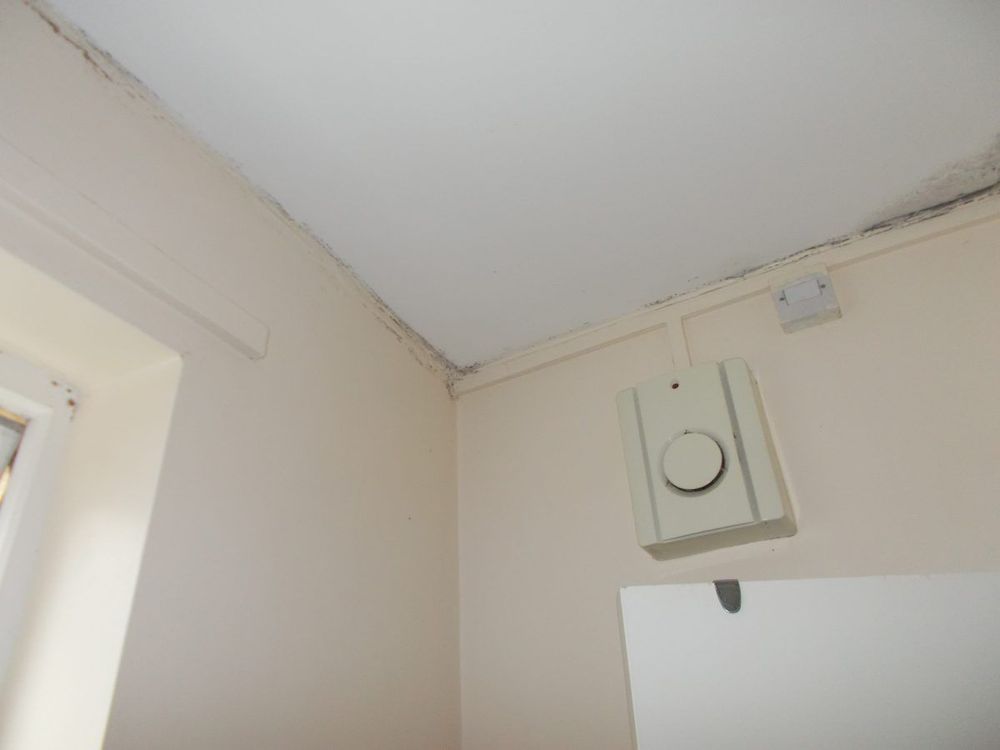
If you have spotted black mould around windows or patches on the walls and ceilings in your home your first priority should be to get rid of it. One of the reasons that it has appeared may be due to condensation. The following guidance helps you identify the possible causes and ways in which you can manage it.
If your home does not have a continuous supply of fresh air into it the relative humidity rises, and the internal atmosphere quickly becomes full of airborne moisture. Eventually this build-up of water in the air leads to condensation forming on the colder surfaces of your home including windows, corners of rooms and cold walls. This condensation moisture is pure water which mould just loves to grow on!
Black mould has been shown to be harmful to health and the NHS state that if you have black mould in your home you are more likely to have respiratory problems, respiratory infections, allergies or asthma.
Top tips to prevent condensation, damp and mould
Dry clothes outside
Drying clothes inside is one of the main causes of creating excess moisture in your home. Whenever possible dry your clothes outside or use a tumble dryer (ventilated to the outside or a condensing type). Using tumble dryers can be expensive & may not be possible for some. A simple option may be to dry your clothes in 1 room, keep the door shut and the window open to provide good ventilation when drying the clothes. It might be worth drying your clothes in the bathroom with the door closed and the extractor fan on.
A tidy home
Air needs to be able to flow freely around your home. If air flow is restricted by having lots of things piled up in rooms it could make that part of the room colder which may mean the vapour will condense on the colder surface. It may also be a good idea to leave storeroom cupboard doors slightly ajar to allow air flow into the space.
Keep the bathroom door shut while bathing / showering
Steam from the bathroom will float around the house until it finds a cold surface on which to condense. Use the extractor fan / open a window while showering to get rid of the excess moisture.
Cooking with the saucepan lids on
Use saucepan lids when you are cooking to help reduce the amount of steam being produced. Also ventilate the room by using your extractor fan or by opening a window.
Increase the air flow in your home
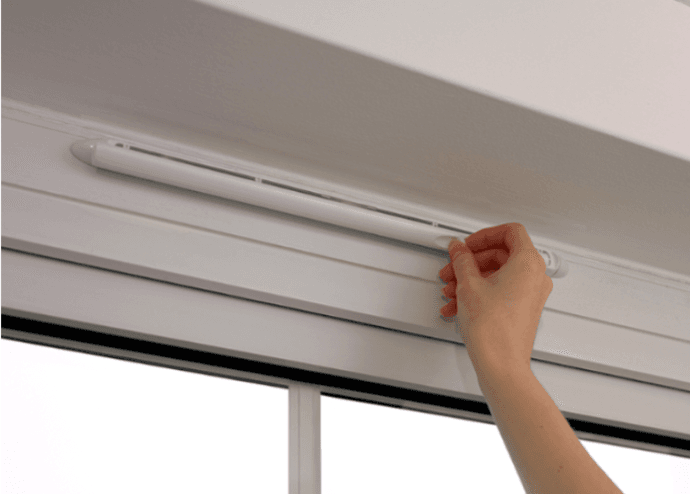
Air flow helps dilute the amount of moisture in the air, open a window or the trickle vent in the window if you have them.
Heating
In cold weather the best way to keep rooms warm enough to prevent condensation is to keep low background heating on. Warm air can hold more moisture.
Sleep with the bedroom window slightly open
Overnight an adult will breathe out around 1 litre of water into the air. If there are 2 adults in the room that is 2 litres of water that has to go somewhere. Opening the window slightly will allow that moist air to escape. If you have them, make sure the trickle ventilators in the window are open.
Use your extractor fans when cooking or bathing
Always use your extractor fan while cooking or bathing. If your extractor fan isn’t working, then contact Pobl so an engineer can fix it for you.
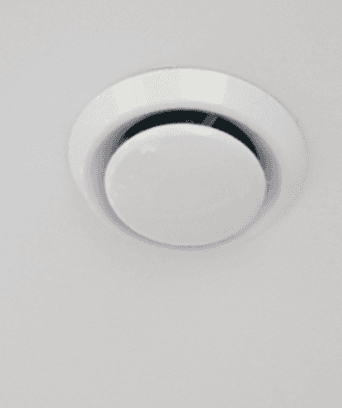
Some homes have continuous ventilation systems installed. You can check whether the system is working correctly by holding a piece of tissue / toilet paper up to the grill. In the kitchen and bathroom the grills should be extracting air (pulling the tissue paper towards it) and in other rooms (eg living rooms & bedrooms) the grill should be putting air into the room (pushing the tissue paper away from the grill).
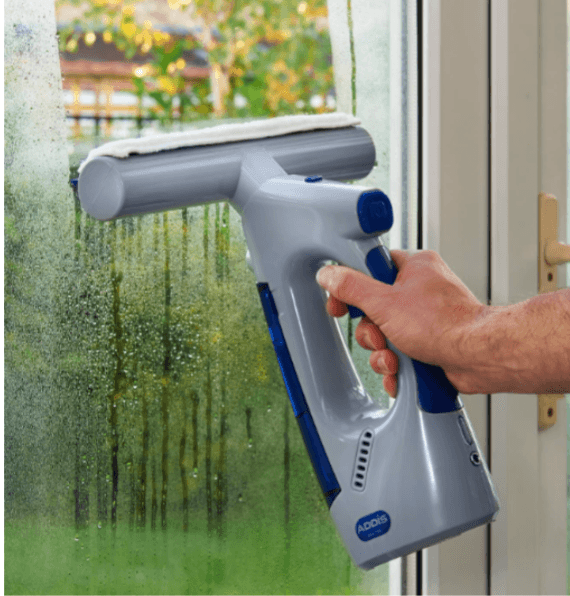
One of the more recent developments for treating mould around windows is to invest in a window vac which effectively sucks away the water droplets on the window. Using the window vac every morning will help eradicate any mould around windows.
Sometimes the damp and mould can be caused due to an issue with your home. If you have tried our tips and it isn’t making a difference, please let us know, we are here to help.
If you have any concerns regarding damp or mould issues in your home then contact us.
What are the customer’s responsibilities with damp and mould, and what are the landlord’s responsibilities?
As a valued customer, you play a crucial role in maintaining a comfortable and moisture-free home. As you’ll have seen from our video, there are plenty of simple steps you can take to prevent condensation, dampness, and mould.
Rest assured, your well-being is a top priority for us as your landlord. If you’ve already tried our tips and still encounter challenges with damp and mould, please feel free to reach out. Our friendly maintenance team is here to work with you, identify the root of the issue, and work together to find a solution that suits you best.
We’re always here to help make your living space as comfortable and healthy as possible.
What to do about mould in your home
If you already have mould in your home, it’s important to treat it.
Use a product designed to clean mould to wipe it away. These are widely available from supermarkets or online.
Don’t brush or hoover the mould as this can spread the spores into the air in your home, which can be unhealthy.
Once you’ve removed the mould, keep the room well-ventilated so the area can dry fully and the mould won’t come back.
If you’ve tried all our top tips and you’re still having problems with damp and mould, please get in touch with us.
A member of our maintenance team will work with you to work out what’s causing the problem and help fix it.
Reporting mould in your home
If you’ve tried our top tips to reduce the moisture in your home but you’re still having problems with damp and mould, please get in touch with us.
You can contact us via email, phone, or social media, and a member of our customer services team will speak with you to better understand the issues.
They’ll ask you a few questions to find out which room in your home has damp or mould, and which part of the room is affected – perhaps it’s the wall or the ceiling, for example. They’ll ask whether mould is growing, and if the area feels wet or dry to touch.
They may also ask you to send us some photos, if you can.
Finally, they’ll ask you about any steps you’ve taken to remove the mould and reduce the moisture in your home.
Once they’ve got all this information, they’ll let you know what steps we’ll take next.
If the damp and mould in your home are not improved by following our top tips, we’ll arrange for one of our experienced surveyors to visit your home.
They’ll work alongside you to make sure your home is a comfortable and healthy place for you to live.
Financial Support
Keeping a home warm is an important way to prevent condensation and mould. But for many people, high energy costs are making it harder to heat their home.
If you are worried about your financial situation, we’re here to help. Our website has lots of useful information on the financial support that may be available to you. And our experienced team of Neighbourhood Income Officers can provide advice and support for your circumstances.
We want you to talk to us about the pressures on your finances so we can give you extra support and help prevent fuel poverty.